En el mundo del maquillaje permanente, Brovi se ha asociado desde hace tiempo con la fiabilidad, la consistencia y los resultados en los que se puede confiar. Recientemente, la marca presentó una importante actualización: un nuevo diseño de etiqueta.
Pero seamos claros desde el principio: si bien el aspecto de las botellas ha cambiado, las fórmulas en su interior siguen siendo exactamente las mismas.

Novedades en las etiquetas
Cada botella ahora incluye un número de lote único , lo que facilita el seguimiento de la producción y garantiza el control de calidad. Esto brinda a los artistas mayor confianza en sus herramientas y simplifica la documentación cuando es necesario.
El segundo cambio es el formato de fecha . Las fechas de producción y caducidad ahora se imprimen con el formato claro de Día/Mes/Año. Esto elimina la confusión y facilita el almacenamiento y el uso.
Durante la transición, es posible que reciba botellas con las etiquetas antiguas o nuevas, pero el pigmento en el interior es idéntico.
La guía de pigmentos de Brovi
Junto con este rediseño, Brovi ha publicado una Guía de Pigmentos actualizada. Explica cada línea en detalle e incluso comparte recetas para mezclar tonos.
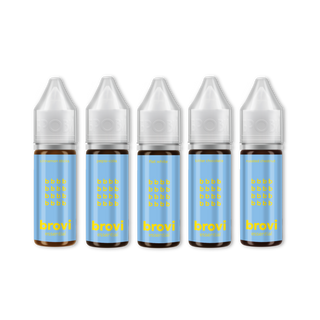
La colección Essential es el clásico set de tonos híbridos para cejas de la marca. Con ocho tonos que van del claro al oscuro, se pueden combinar infinitamente para lograr prácticamente cualquier color de cejas. El resultado, una vez curado, es denso y saturado, con una retención impresionante desde la primera sesión.
La serie Brovi Plus ofrece pigmentos híbridos orgánicos de mayor concentración. Estos tonos cálidos se implantan rápidamente, reduciendo el tiempo de procedimiento, y cicatrizan con resultados suaves y naturales sin adquirir subtonos grises o fríos.
Para artistas que buscan pigmentos tolerantes y fáciles de trabajar, existe la línea mineral Brovi One . Estos tonos inorgánicos son hipoalergénicos, suaves con la piel sensible y se difuminan uniformemente sin cambios de color indeseados. Son ideales tanto para principiantes como para profesionales que priorizan la seguridad y los resultados naturales.
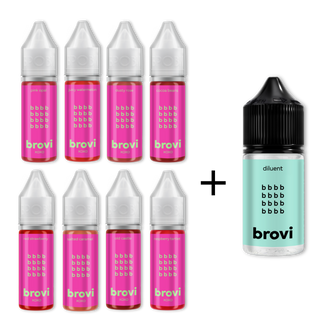
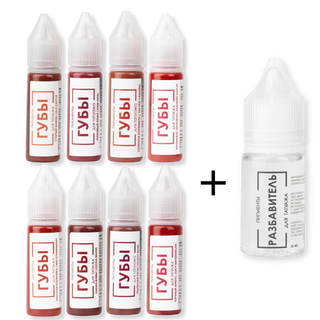
Los labios están cubiertos con la línea Brovi XOXO . Estos tonos altamente pigmentados y versátiles permiten recrear cualquier look, desde un sutil toque hasta un efecto de lápiz labial intenso. Dependiendo de la técnica y el uso de diluyentes, el mismo color puede curarse suavemente o lucir intenso y saturado.
Para delineado de ojos y pestañas, Brovi ofrece la Línea Negra en dos tonos: Black Square , para un acabado negro carbón puro, y Ultra Black , que contiene una pequeña cantidad de óxido de hierro rojo. Esta pequeña adición evita que el resultado cicatrizado se torne marrón y garantiza un color negro intenso y duradero.
Otras líneas especializadas incluyen correctores y modificadores, primers para labios, tonos minerales y ácidos vibrantes para efectos audaces y mezclas cuidadosamente diseñadas que abordan desafíos específicos como labios grises o fríos.
Por qué esto importa
Estas actualizaciones demuestran que Brovi trabaja continuamente para facilitar la vida a los profesionales de PMU. Con etiquetas más inteligentes y una guía completa, los artistas ahora cuentan con mejores herramientas, no solo en sus manos, sino también en su base de conocimientos. Los pigmentos siguen siendo tan potentes y fiables como siempre, pero la mayor claridad y documentación elevan la marca a un nivel de profesionalismo aún mayor.


Guardar $37.90


Guardar $37.90
Guardar $16.90
Guardar $16.95
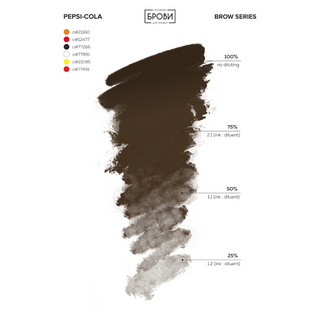
Guardar $16.95
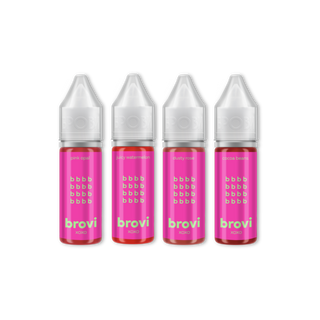
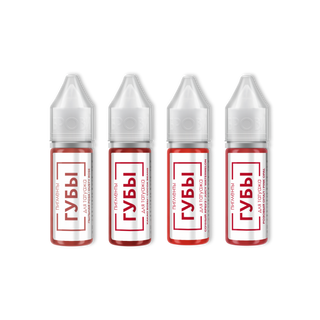
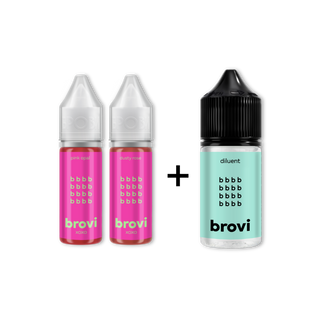
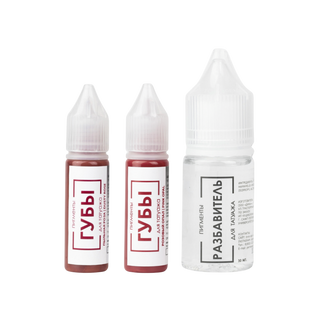
Guardar $11.80
Descargar la Guía Oficial
Ya puedes acceder a la Guía completa de Pigmentos Brovi en formato PDF. En ella encontrarás descripciones completas de cada colección, recomendaciones técnicas y recetas de mezcla directamente de los expertos.
Descargue la Guía de Pigmentos Brovi (PDF)
Esta guía es un recurso invaluable para todos los artistas de PMU, ya sea que recién estén comenzando o ya estén enseñando a otros.
Collection list

What Pigment Works Best on Oily Skin?
Inorganic (Mineral-Based) Pigments Hold Better
Inorganic pigments have larger particle sizes than organic pigments. Larger particles are harder for the body to break down and expel — which means better long-term retention on clients whose immune response is more aggressive. On oily skin, inorganic formulas offer more durable results. Hybrid formulas can work, but when choosing between options for a severely oily client, inorganic wins.
Don't Over-Dilute
The temptation on oily skin is to dilute the pigment to reduce drag. Resist this. The skin is already diluting your pigment with sebum during the session. Adding dilutor on top results in a very low pigment concentration being deposited, which heals faint. Keep your pigment load as concentrated as the technique allows.
Prioritize High Retention Ratings
Check the product specs for retention rate — the percentage of pigment expected to remain after healing. For oily skin clients, prioritize pigments with retention ratings in the 80–90% range. A pigment that retains 70% on normal skin may retain 50% or less on oily skin.
Account for Warm Undertone Shift
Oily, olive-toned skin can push pigment results warmer during healing than the bottle color suggests. A pigment that appears neutral in the bottle may heal slightly warm. Adjust your shade selection or use a cool modifier on these clients.
How to Set Client Expectations for Oily Skin PMU
Honest expectation-setting before the session protects your results and your client relationship. Tell oily skin clients upfront:
• Touch-ups will be more frequent. Oily skin clients typically need a refresh every 6–8 months, compared to once a year for normal skin. This is normal — not a failure of the procedure.
• Healed intensity will be lighter than fresh results. Show them healed photos on similar skin types — not your most saturated portfolio examples.
• Document everything. Photograph the skin at consultation in natural light. These photos protect you if the client returns and perceives poor results — and allow you to show what the skin type contributed.
Touch-Up Strategy for Oily Skin Clients
Even with the right preparation and technique, oily skin clients will typically need their six-week touch-up. Plan for it as a corrective opportunity, not a setback.
At the touch-up, assess what healed and where. Oily skin rarely loses pigment uniformly — identify the gaps and work only where needed rather than retreating the entire area.
The second session on oily skin typically retains better than the first. The dermis has already responded to trauma once, and the immune response on the second pass is less aggressive. Many artists find this session significantly more efficient. Use it to add depth where needed and refine shape — by this point, you know exactly how this client's skin responds to your pigment line.
Frequently Asked Questions
Why did my powder brows fade so fast on oily skin?
Oily skin fades PMU faster because excess sebum dilutes pigment during implantation, enlarged pores create shallow channels that don't hold pigment well, and faster cell turnover pushes pigment out during healing. It's not a technique failure — it's a skin-type issue that requires adapted workflow.
How do I get better pigment retention on oily skin?
Degrease thoroughly before and during the session, use multiple lighter passes instead of one heavy pass, work at a slightly deeper dermis level, choose inorganic pigments with high retention ratings, and avoid over-diluting your pigment.
How often do oily skin clients need PMU touch-ups?
Oily skin clients typically need a color refresh every 6–8 months to maintain intensity, compared to once a year for normal or dry skin. This is expected and should be communicated clearly at consultation.
Does PMU work on oily skin?
Yes — permanent makeup absolutely works on oily skin. It requires technique and formula adjustments, more frequent maintenance, and realistic client expectations, but the results can be consistent and professional. The artists who struggle most are those trying to achieve dry-skin results on oily skin in a single session.
Can I use powder brows on oily skin?
Powder brows are generally better suited to oily skin than microblading. The technique deposits pigment more broadly across the dermis rather than in thin hair strokes, which holds better on skin with enlarged pores and higher sebum production. That said, retention adjustments are still needed — the technique alone doesn't eliminate the oily skin challenge.
What pigment is best for oily skin PMU?
Inorganic (mineral-based) pigments with large particle sizes and high retention ratings (80–90%) perform best on oily skin. Avoid over-diluting any formula, as the skin's sebum will further dilute pigment concentration during the session.
The Bottom Line
Retention on oily skin is never going to match retention on dry skin — but with the right approach, it can be consistent, predictable, and professional. The artists who succeed long-term with oily skin clients are the ones who adapt their entire workflow: assessment, preparation, technique, formula, and communication.
Oily skin clients who are well-informed and properly managed become loyal long-term clients. They understand they'll be back twice a year. They trust you because you told them the truth upfront. And they refer their friends — because the results, maintained properly, consistently look good.